


The ginkgo tree is one of the oldest tree species on Earth. You'd recognize it by its fan-shaped leaves, and it's often called a "living fossil."
Today ginkgo shows up in supplements promoted for everything from memory to circulation to, yes, hair growth. I'm always curious about ingredients like this, but I also want to be upfront: the research behind most of those claims is a lot thinner than the marketing. Here's what ginkgo is, what we actually know about it and hair, and the safety stuff you should know before you try it.
Index
Getting To Know Ginkgo Biloba
Ginkgo, also called the maidenhair tree, is native to East Asia, though it can grow in lots of climates with full sun and good drainage. Its leaves contain flavonoids and terpenoids, two groups of plant compounds that get studied a lot for their antioxidant properties.
Most ginkgo supplements are made from extracts of the leaves.
What Ginkgo Is Used For
Ginkgo is promoted for a long list of things: memory, focus, circulation, anxiety, eye health, headaches and more.
Here's the honest part. According to the National Center for Complementary and Integrative Health, there isn't conclusive evidence that ginkgo helps with any health condition. And a large study found it didn't prevent dementia.
That doesn't mean ginkgo does nothing. It means we don't really know yet, and I'd be careful with anything that promises otherwise.
How is it sourced?
Ginkgo leaves are harvested by hand or with a picking pole, then dried. Some cultures also use the seeds, but most supplements come from the dried green leaves. (Raw or roasted ginkgo seeds can actually be poisonous, so that's not something to experiment with at home.)
Ginkgo and Hair: What We Know
There's some early research. In lab and animal studies, compounds from ginkgo have been linked to hair regrowth, mostly when applied to the skin.
What's missing is solid research in people. So I'd put ginkgo in the "interesting, but not proven" category for hair growth.
How Might It Work for Hair?
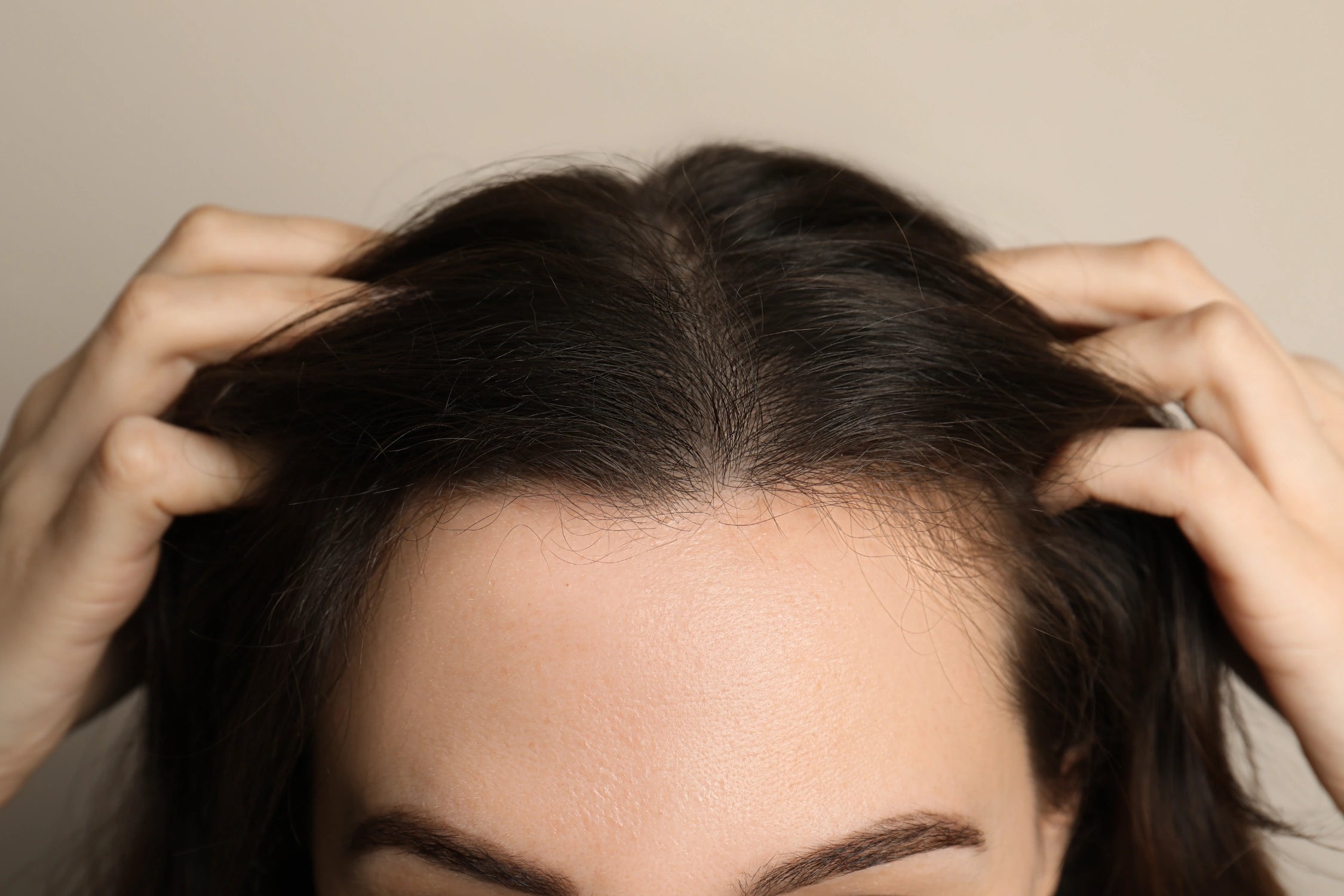
Researchers have looked at two compounds from ginkgo, ginkgolide B and bilobalide, and how they affect dermal papilla cells. Those are cells at the base of the hair follicle, under the scalp, where hair is made before you ever see it.
It's early, lab-level research. Interesting to watch, but not something I'd build a hair routine around yet.
A Balanced Approach
If you're thinking about your hair from the inside, I'd start with the basics: a balanced diet with enough protein, plus nutrients like folate, biotin, zinc and collagen.
No single ingredient is going to do it all, and how anyone responds depends on a lot of individual factors.
Ginkgo Biloba Dosage and Safety
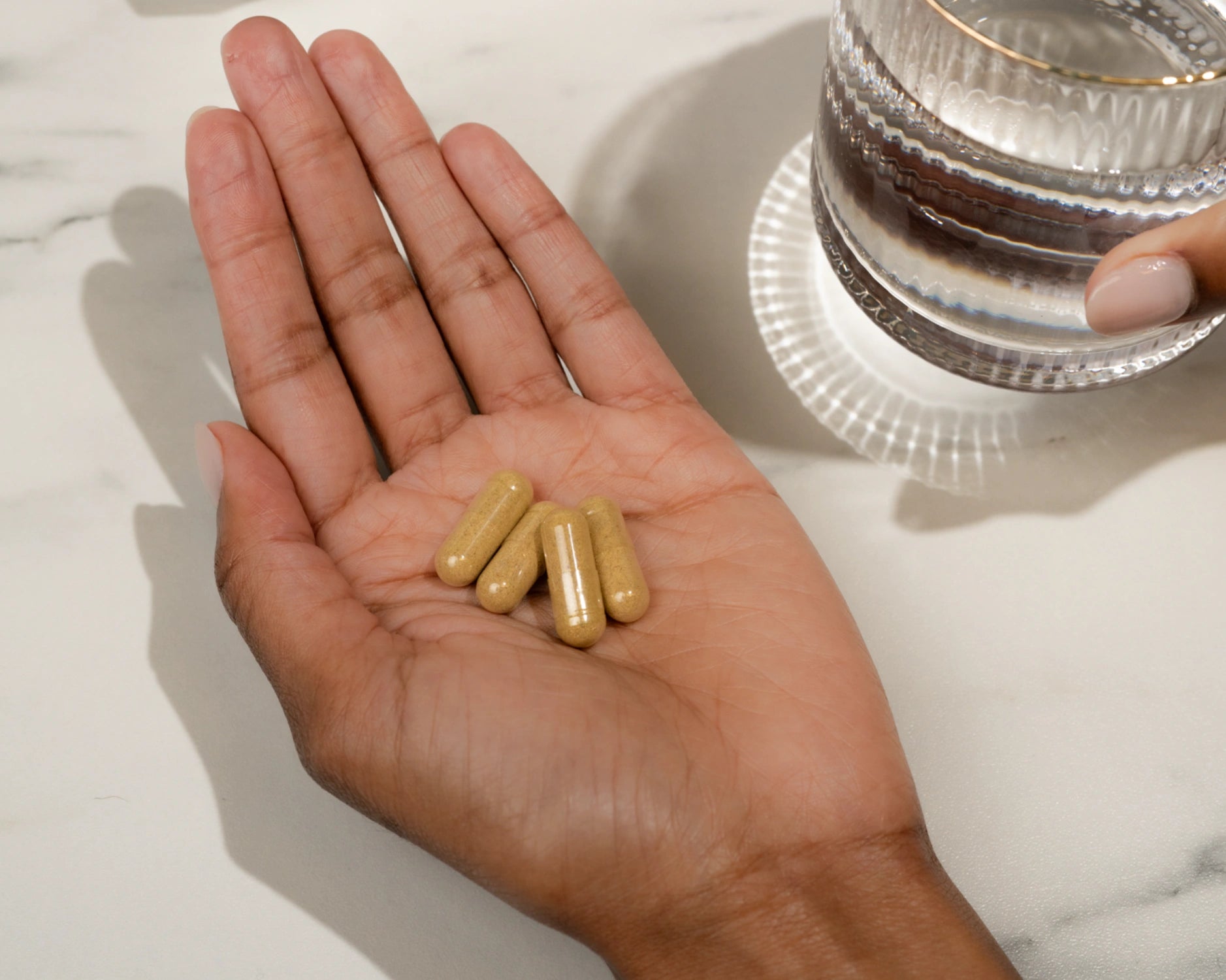
There's no official recommended dose for ginkgo, and amounts vary from product to product. Your doctor is the best person to tell you what makes sense for you.
This part matters: according to the NCCIH, ginkgo may increase the risk of bleeding and can interact with some medications. Please check with your doctor before taking it, especially if you:
- Take blood thinners or any other medication
- Have a bleeding disorder
- Have surgery coming up
- Are pregnant or breastfeeding
Summary
Ginkgo has been used for centuries, and the early research on it and hair is interesting. But it's early, and I'd rather be honest about that than oversell it. If you're curious, talk to your doctor first, especially about the bleeding risk.
If you're looking for a hair supplement, our customers love making Goldie Locks® Hair Supplements part of their daily routine. They include ginkgo biloba along with vitamins, minerals, collagen and other herbs.